Getting Down To Basics withGetting Down To Basics with

Painting your home can be a great way to improve its look and value. It is one of the simplest and most effective projects you can do to increase your property’s appeal. It also helps to protect your home against the elements.
The most important thing to remember about house painting is that it is an ongoing project and you need to take time for it. You can do it yourself or hire a professional to help.
You should always consider your budget when you choose a painter. The cost of a paint job can vary widely depending on the amount of prep work needed.
Before hiring a professional, be sure to ask for a detailed estimate of the costs of labor, materials, and time for the project. This will help you narrow down your options and prevent any surprises.
Make sure to ask about the painter’s licenses and insurance. This will ensure you are covered if anything happens to their employees or your personal property during the paint job.
In addition, check with your state’s licensing agency to find out what your requirements are for painters. Many states require only a business license, but others require up to two years of experience and a passing grade on an exam.
If you plan to paint a large area, it is a good idea to hire a professional to do the job for you. This will help to ensure the job is done correctly and in a timely manner.
You should always prepare your walls before painting by using a cleaner-degreaser or emulsifying soap to remove any oils and grease that might have been left behind from previous cleaning. This will ensure a smooth finish and avoid any drips or sags.
Next, you should use a brush or roller to apply your paint. You should start with a light touch and work your way up to a heavy brush or roller.
Be sure to blend your sections of wall as you go so that the colors don’t separate. This can be tricky, especially if you have a complicated pattern.
When you are unsure of how much paint is necessary for your house, use Valspar’s online paint calculator to get an idea. You can also ask a knowledgeable paint retailer for advice and suggestions.
Aside from preparing your walls, you should also make sure to thoroughly mask off any surfaces that don’t need to be painted. This includes all windows, doors, switches, outlets and more.
You should also ensure that you don’t leave any brushes or rollers outside in the rain or snow. This can cause them to become wet and can lead to mold growth.
Before you begin, clean your paintbrushes and paint rollers with warm soapy water to eliminate any residue. This will also help the paint to adhere better.
Lastly, be sure to wipe down all surfaces and tools that have been used in your house. This will help keep them clean and prevent germs from spreading.


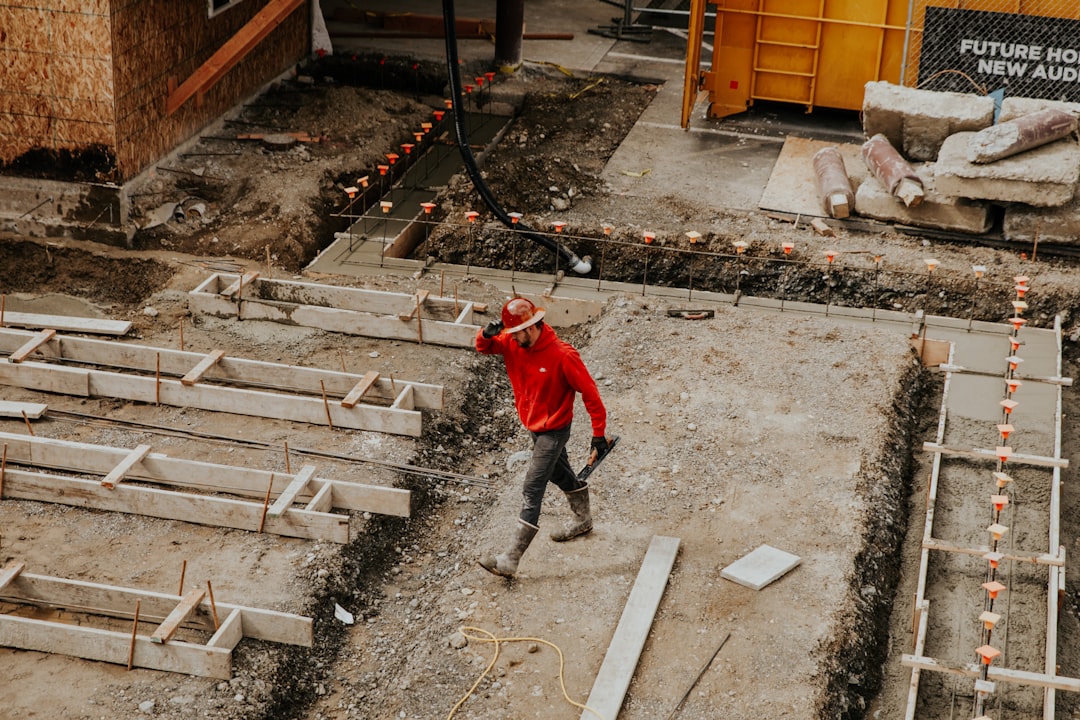 Driveways and Foundations

 What Is the Loan-To-Value Proportion? When you’re getting a home, you need to understand what the loan-to-value ratio is. Read more about this website. This economic term is made use of by lending institutions to determine the quantity of money a lender agrees to loan to acquire a residence. Learn more about this homepage. The greater the loan-to-value ratio, the higher the rates of interest the loan provider will charge you. View more about this page. To read more, keep reading. Check here for more info. This post will explain what the loan-to-value is and just how to compute it for your residence. Discover more about this link. LTV is a procedure of the amount of money that a debtor owes on a building. Check it out! this site. The lower the loan-to-value proportion, the extra equity the customer has. Read here for more info. Lenders established a limit on the maximum loan-to-value proportion – x%, for instance. Click here for more updates. Generally, the greater the proportion, the greater the rates of interest. View here for more details. If you’re obtaining even more than that, you’re possibly getting a higher rate of interest. Read more about this website. LTV is computed by splitting the amount of cash you owe on a residential property by the worth of the residential property. Learn more about this homepage. Lenders base their decisions on the lower of both worths, so a reduced loan-to-value proportion indicates much more equity in the residential property. View
  Home Mortgage Terms When Acquiring a Home When buying a house, it is essential to understand all of the home mortgage terms. Read more about this website. It’s very easy to get overwhelmed when deciding on the best mortgage for your demands, so it’s a good suggestion to ask questions of the loan provider as well as your realty representative prior to you dedicate to an economic dedication. Learn